
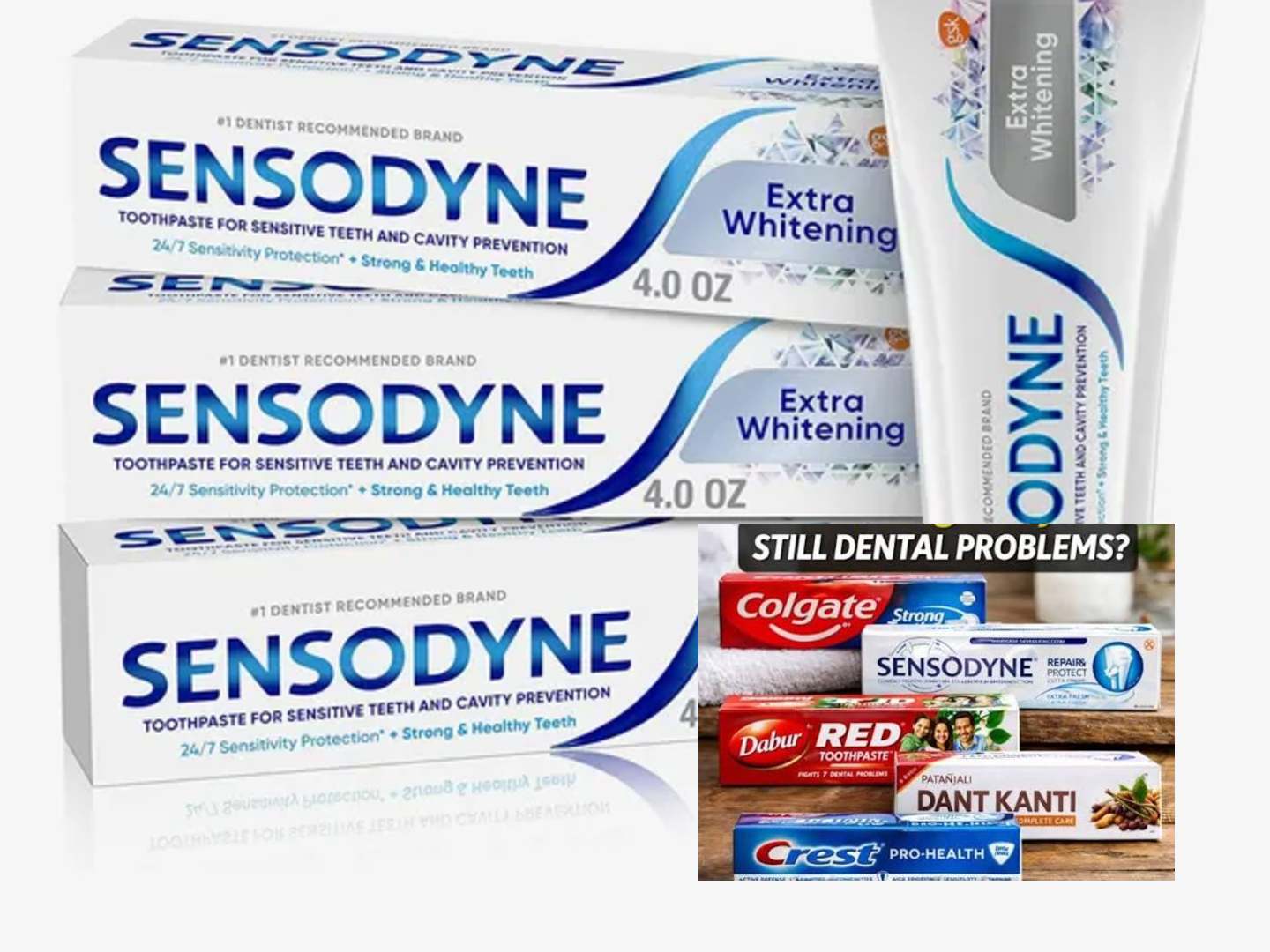
The best toothpaste for plaque contains active ingredients proven in clinical trials to reduce bacterial biofilm, not just abrasives that scrub surface stains. According to peer-reviewed research and FDA-approved formulations, stannous fluoride and triclosan/copolymer have the strongest evidence for controlling plaque and gingivitis.
What Actually Counts as Plaque Control
Most toothpastes remove some plaque through brushing alone. But only therapeutic dentifrices with antibacterial actives inhibit bacterial regrowth between brushings. The FDA regulates these claims through its New Drug Application process, the same pathway used for prescription medications.
Colgate Total holds the only FDA approval for a toothpaste with an explicit plaque and gingivitis claim. Its formula combines 0.3% triclosan with a PVM/MA copolymer that keeps the antibacterial agent active on oral tissues for 12 hours. Over 90 clinical studies with more than 20,000 participants have tested this formulation since its approval.
The Clinical Evidence Behind Stannous Fluoride
Stannous fluoride at 0.454% has become the dominant anti-gingivitis active in newer toothpastes. A 2018 randomized trial published in the American Journal of Dentistry tested it against a standard sodium fluoride toothpaste in 253 adults with moderate gingivitis.
After 12 weeks, the stannous fluoride group showed statistically significant reductions in bleeding sites and visual inflammation compared to the control, with P values below 0.0001 at both the four-week and twelve-week marks. The study authors noted that the population represented individuals who experience bleeding when brushing, the exact group most likely to seek an anti-gingivitis product.
How Triclosan/Copolymer and Stannous Fluoride Compare
Head-to-head trials have produced mixed results depending on formulation and study design. A six-month double-blind study at the University of Puerto Rico compared Colgate Total against Crest Pro-Health with stannous fluoride, sodium hexametaphosphate, and zinc lactate.
The Colgate Total group showed statistically significant reductions in plaque index scores of 18.5%, 20.7%, and 25.8% at six weeks, three months, and six months respectively, compared to the stannous fluoride formula. Gingival index reductions ranged from 17.1% to 20.5% in favor of triclosan/copolymer.
But a separate three-week experimental gingivitis study using a slurry model found the opposite. That trial reported that a 0.45% stannous fluoride gel reduced gingivitis by 39.7% compared to Colgate Total, with statistically significant differences in bleeding as well. The divergent outcomes suggest that study design and baseline disease severity strongly influence which active appears superior.
| Field | Information |
|---|---|
| Full Name | Mary Otto |
| Nationality | American |
| Profession | Medical journalist; oral health topic leader |
| Education | Knight Science Journalism Fellow, Harvard University (2009–2010) |
| Years Active | Began oral health reporting in 2007; active as of 2025 |
| Notable Works | Teeth: The Story of Beauty, Inequality, and the Struggle for Oral Health in America (2017, The New Press) |
| Awards | Gies Award, American Dental Education Association (2010); Art of Healing Award, Cambridge Health Alliance (2019); AADR Honorary Membership (2020); Studs and Ida Terkel Award |
| Spouse/Partner | Not publicly confirmed in verified sources |
| Social Media | X (Twitter): @mottomatic |
Sources: Wikipedia , AADR press release , The New Press author page .
Note: Age, birthplace, height, and net worth could not be verified from authoritative sources and are therefore omitted. The search results contained obituaries for several unrelated individuals named Mary Otto, which were excluded as they do not match the journalist.
Zinc and Baking Soda: Weaker Evidence
A 2019 network meta-analysis in the Journal of Clinical Periodontology pooled data from 53 randomized trials with over 8,400 subjects to rank anti-plaque agents. For dentifrices, the analysis found no statistically significant differences among active agents when compared directly. Baking soda showed the lowest effect on gingival index scores among the tested formulations.
That does not mean zinc or baking soda toothpastes are useless. A 2025 randomized double-blind study in Scientific Reports examined zinc citrate trihydrate’s effect on the oral plaque microbiome, though its clinical gingivitis outcomes require further analysis. The ADA Seal of Acceptance program recognizes products for plaque reduction based on manufacturer-submitted evidence, but acceptance does not rank products against each other.
What the ADA Seal Actually Confirms
The American Dental Association grants its Seal of Acceptance after reviewing safety and efficacy data for specific claims. Parodontax Daily Fluoride carries the seal for helping to prevent and reduce plaque and gingivitis. Crest Pro-Health holds seal acceptance for preventing plaque, gingivitis, and tooth decay, along with sensitivity relief and enamel erosion protection.
The seal confirms a product does what it claims. It does not declare one toothpaste superior to another. Consumers should read the active ingredient panel rather than rely on marketing language.
Choosing Based on Your Gums
If you have bleeding gums or early gingivitis, a stannous fluoride toothpaste at 0.454% has the most recent randomized trial support for reducing bleeding within 8 to 12 weeks. Crest Gum Detoxify uses this active and claims clinical superiority over Colgate Total in manufacturer-funded trials, though independent head-to-head data remains limited.
If you prefer a triclosan-based formula, Colgate Total remains the only FDA-approved option with the longest safety record. A Cochrane Review published in December 2013 concluded there are benefits in using triclosan/copolymer toothpaste compared to regular fluoride toothpaste, with no evidence of harmful effects in long-term trials.
If you have sensitive teeth alongside plaque concerns, look for potassium nitrate paired with stannous fluoride. Colgate Total SF Advanced Deep Clean lists anticavity, antigingivitis, and antisensitivity claims on its FDA drug facts label.
Technique Still Matters Most
No toothpaste removes plaque from between teeth or below the gumline. A 2018 trial noted that subjects received a professional prophylaxis and flossing instruction at the start, meaning the toothpaste worked alongside mechanical cleaning, not instead of it.
Brush for two minutes, twice daily, and use floss or an interdental brush once per day. Toothpaste is one component of a routine, not a substitute for one. If bleeding persists beyond two weeks, see a dentist, because that can signal periodontitis rather than simple gingivitis.
Is stannous fluoride toothpaste better than triclosan for plaque?
The evidence is mixed and depends on the study design. A systematic review of 15 studies found no clinically significant difference in gingival health between the two ingredients . However, a 2017 randomized trial of 120 adults found a 0.454% stannous fluoride dentifrice produced 23.1% lower whole-mouth plaque scores and 43.5% lower interproximal plaque scores at four weeks compared to a triclosan control . Conversely, three separate clinical trials using the Modified Gingival Margin Plaque Index found Colgate Total (triclosan/copolymer) significantly outperformed Crest Pro-Health (stannous fluoride) in reducing 24-hour plaque regrowth . The discrepancy may stem from different measurement methods rather than genuine superiority of one active.
Does baking soda toothpaste actually remove plaque?
Yes, clinical evidence supports baking soda dentifrices for plaque removal. A review in the Journal of the American Dental Association concluded that baking soda has demonstrated efficacy against plaque biofilm and gingivitis through both mechanical and biological mechanisms . One real-world study of 131 patients using a baking soda, fluoride, and hydrogen peroxide dentifrice found a 53% reduction in bleeding sites at one month, increasing to 62% at three months . Baking soda’s advantage is its low abrasiveness relative to its cleaning power, though not all baking soda toothpastes share this property.
Which toothpaste has the strongest FDA approval for plaque?
Colgate Total holds the only FDA approval for a toothpaste with explicit antiplaque and antigingivitis claims, granted under a New Drug Application . Its formula contains 0.3% triclosan and 2.0% PVM/MA copolymer, which keeps the antibacterial agent active on oral surfaces for extended periods . The American Dental Association Seal of Acceptance also lists Colgate Total SF and multiple Crest Pro-Health varieties for plaque and gingivitis control . The ADA seal confirms a product’s claims but does not rank it against competitors.
Can herbal toothpastes reduce plaque as well as fluoride formulas?
Some herbal dentifrices show plaque-reducing effects, but the evidence is less robust than for stannous fluoride or triclosan. A 2023 double-blind randomized trial compared an herbal toothpaste (Dabur Meswak) against Colgate Total and a homeopathic gel in 45 adults . All three groups showed statistically significant reductions in plaque bacteria at 28 days, with the herbal group showing the highest increase in plaque pH . A separate six-week crossover study in diabetic patients found both Colgate Diabetics Advanced Ayurvedic Solution and a Complete Care Herbal Toothpaste significantly reduced plaque and gingival inflammation . However, head-to-head evidence against established antibacterial actives remains limited.
