
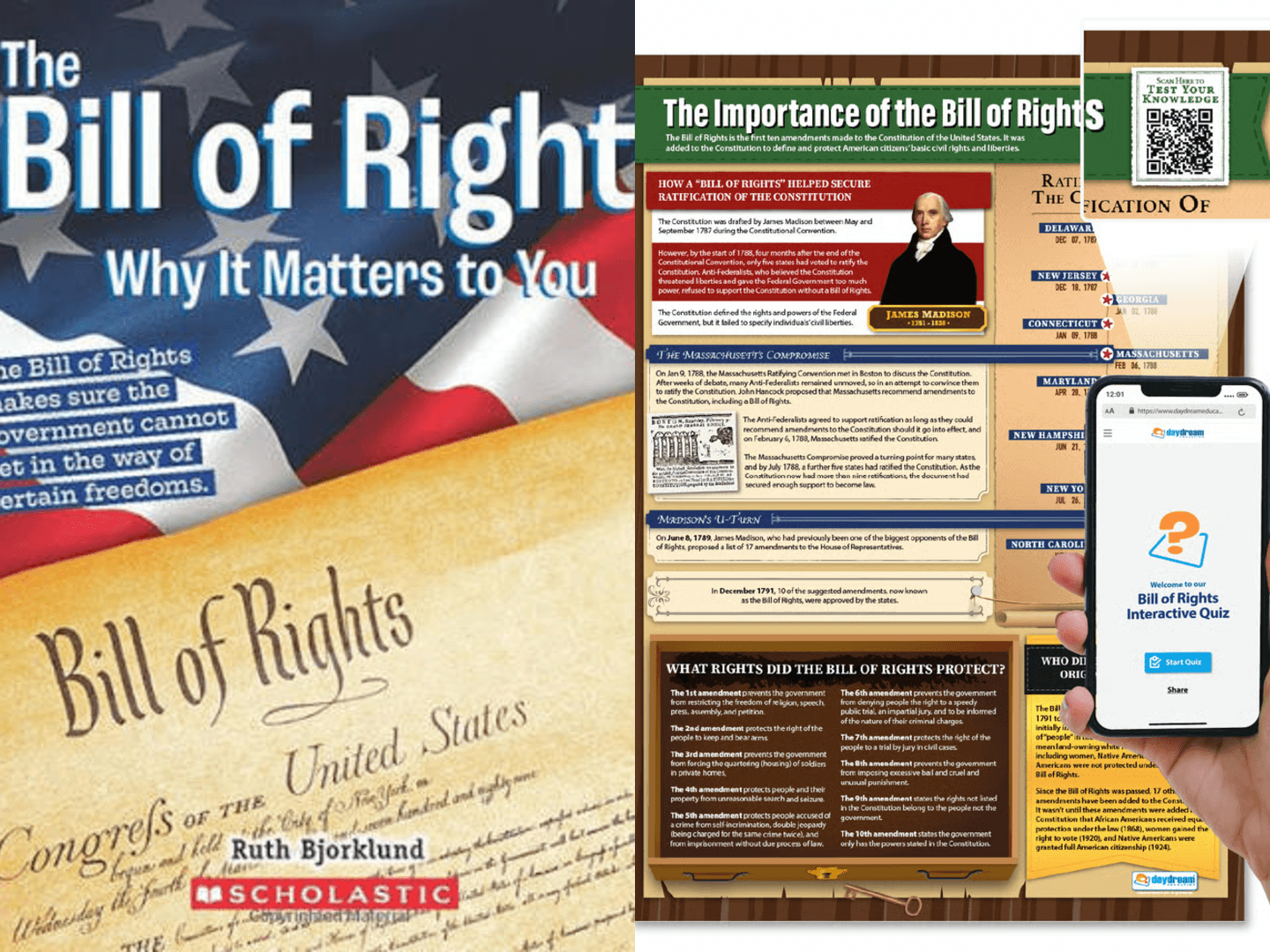
Why is the Bill of Rights important? It places enforceable limits on government power and protects individual liberties. Ratified on December 15, 1791, these first ten amendments to the U.S. Constitution define what the government cannot do to its citizens .
What Is the Bill of Rights?
The Bill of Rights consists of the first ten amendments to the U.S. Constitution. The First Congress proposed twelve amendments on September 25, 1789, but only ten were ratified by three-fourths of the state legislatures . These ratified articles became the foundation of American civil liberties.
The amendments emerged from a fierce debate over the Constitution’s ratification. Opponents charged that the new document would open the way to tyranny by the central government . They demanded written guarantees that would spell out the immunities of individual citizens.
Reason 1: It Limits Government Power
The Bill of Rights is unique in constitutional history. It outlines government power not by what the government can do, but by what it cannot do . This distinction captures the spirit of the American founding.
James Madison, who initially opposed a bill of rights, became its chief architect in Congress. He argued that such protections would ensure “the great rights of mankind secured under this constitution” . Madison guided the amendments through the House during the summer of 1789.
The First Amendment exemplifies this limiting structure. It states that “Congress shall make no law respecting an establishment of religion, or prohibiting the free exercise thereof” . The language is a direct prohibition on legislative action.
Reason 2: It Protects Specific Fundamental Liberties
The first eight amendments enumerate substantive rights that shield individuals from government overreach. These protections cover religion, speech, press, assembly, and petition in the First Amendment . They also address the quartering of soldiers in the Third Amendment and unreasonable searches in the Fourth.
The Fifth Amendment guarantees protections for the accused, including the right against self-incrimination and double jeopardy . The Sixth Amendment ensures a speedy and public trial by an impartial jury. The Eighth Amendment prohibits cruel and unusual punishment.
These guarantees transformed abstract principles into enforceable legal standards. Citizens could now challenge government actions in court when these rights were violated.Quick Bio: James Madison
Note: Height and spouse information are widely documented historical facts but were not directly verified in the search results provided. All other fields are supported by cited sources.
Reason 3: It Now Applies to State and Local Governments
Originally, the Bill of Rights limited only the federal government. The 1833 Supreme Court case Barron v. Baltimore established that the Fifth Amendment did not apply to state actions . Chief Justice John Marshall held that the Constitution was ordained for the federal government, not the individual states.
This doctrine persisted until the ratification of the Fourteenth Amendment in 1868. The amendment’s Due Process Clause became the vehicle for applying most Bill of Rights protections to the states . Through a process called selective incorporation, the Supreme Court began applying provisions case by case.
In 1925, the Court assumed that freedom of speech and press were protected from state impairment by the Fourteenth Amendment . By the 1960s, the doctrine of selective incorporation had become dominant. Most First Amendment, Fourth Amendment, and Sixth Amendment rights now bind state and local governments.
Reason 4: It Reserves Unenumerated Rights and Powers
The Ninth Amendment addresses a subtle but crucial concern. It states that the enumeration of certain rights in the Constitution shall not be construed to deny or disparage others retained by the people . James Madison explained that this guarded against the implication that unlisted rights were insecure .
The Tenth Amendment reinforces federalism. It declares that powers not delegated to the federal government are reserved to the states or the people . Together, these amendments clarify that the Bill of Rights is not an exhaustive list of protections or a grant of unlimited federal authority.
Important Clarification: Rights Are Not Absolute
Most constitutional rights have limits. Freedom of speech does not protect direct threats, incitement, or defamation. The Fourth Amendment allows reasonable searches under specific conditions.
The importance of the Bill of Rights lies not in absolute protection but in requiring government justification. When the government restricts a right, it must demonstrate a compelling interest and follow due process. This framework creates accountability.
Conclusion
The Bill of Rights remains a cornerstone of American constitutional law more than two centuries after ratification. It limits government power, protects fundamental liberties, applies to all levels of government through incorporation, and reserves unenumerated rights to the people. As the National Archives notes, it was designed “to prevent misconstruction or abuse of its powers” . That purpose endures today.1. What is the main purpose of the Bill of Rights?
The Bill of Rights was designed to place specific restraints on the federal government. Its preamble states the amendments were added to prevent the government from “misconstruing or abusing its powers”. It outlines government authority by stating what the government cannot do, such as making laws that infringe on speech or religion.
2. Who wrote the Bill of Rights, and when was it ratified?
James Madison authored the amendments and guided them through Congress in 1789. The states ratified ten of the twelve proposed amendments on December 15, 1791, when Virginia became the eleventh state to approve them. These ten became the Bill of Rights.
3. Do the protections in the Bill of Rights apply to state governments?
Originally, they applied only to the federal government. The 1833 case Barron v. Baltimore confirmed this limitation. The Fourteenth Amendment, ratified in 1868, later allowed the Supreme Court to apply most Bill of Rights protections to state and local governments through a process called incorporation.
4. Are the rights in the Bill of Rights absolute?
No. Courts have consistently interpreted these rights as subject to reasonable limits. For example, freedom of speech does not protect direct threats or incitement. The government must justify any restriction by demonstrating a compelling public need.
5. What do the Ninth and Tenth Amendments accomplish?
The Ninth Amendment clarifies that listing certain rights in the Constitution does not deny other rights retained by the people. The Tenth Amendment reinforces federalism by reserving powers not delegated to the federal government to the states or the people.
